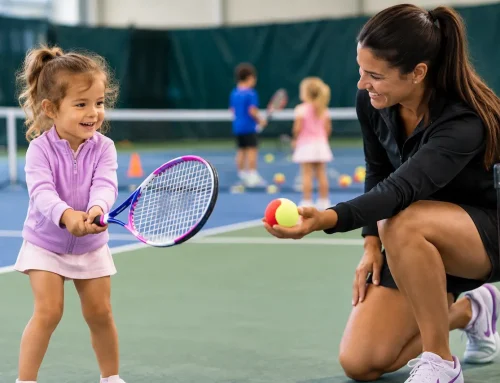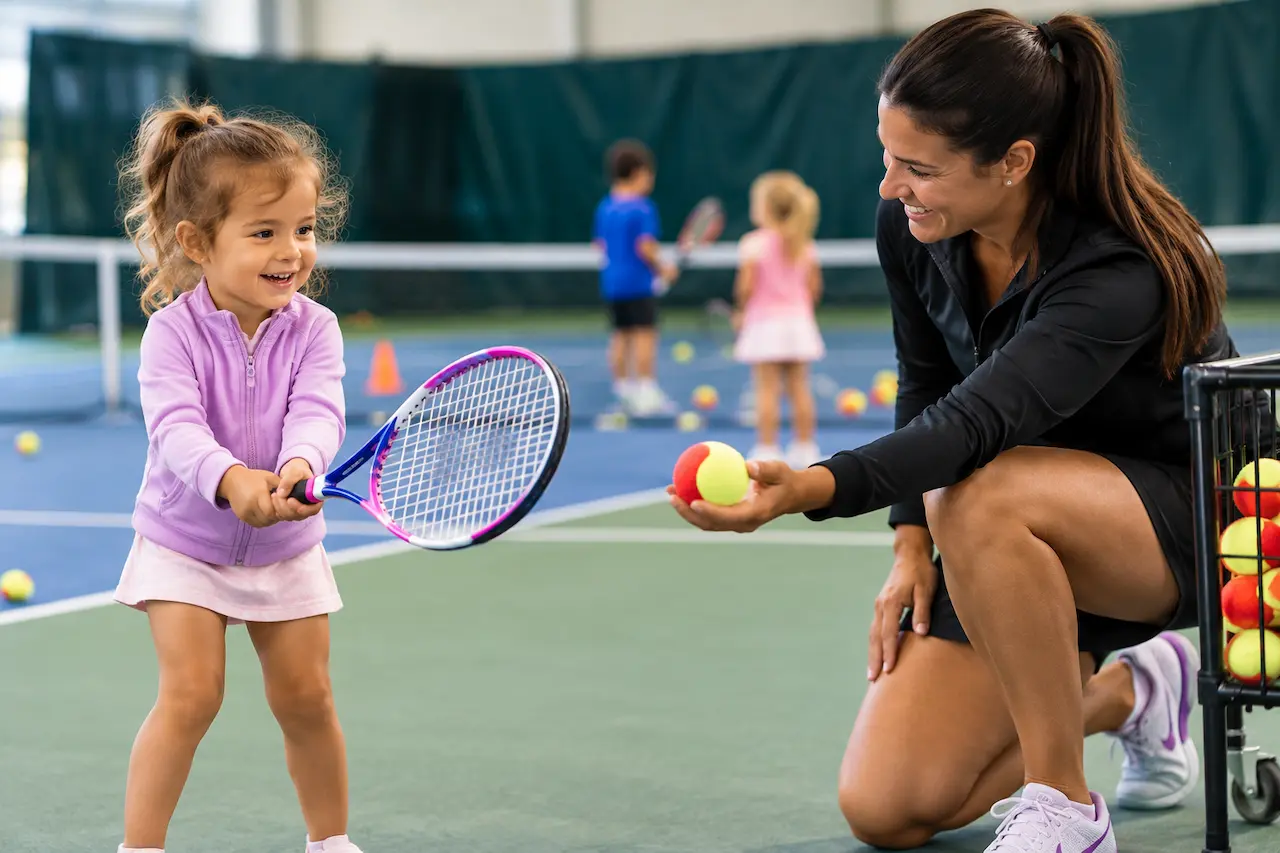

Finding the right place to play tennis is not only about having access to a court. Players want a place where they can improve their skills, meet other players, receive guidance, and enjoy the game consistently.
We have seen firsthand that people searching for tennis opportunities are often looking for more than a playing surface. They want structured programs, flexible court options, and a welcoming environment where beginners and experienced players can continue growing.
South Towns Tennis gives players a reliable way to stay active, develop their skills, and become part of a tennis community built around improvement and enjoyment.
Understanding What Players Look For in a Tennis Facility
Choosing a tennis facility is an important decision because every player has different goals. A beginner may need guidance and confidence before stepping onto the court, while an experienced player may be looking for competitive practice and regular match opportunities.
I prioritize a strategy that starts with understanding the player’s journey. The best tennis environments are designed around different skill levels, allowing every person to find the right program and continue improving.
Players usually look for:
- Professional coaching and structured improvement plans
- Flexible options for practice and court availability
- Programs designed for different ages and skill levels
- Opportunities to play with other members
- A supportive environment that encourages progress
A strong tennis community helps players stay motivated because improvement becomes part of a shared experience rather than an individual challenge.
Why Local Tennis Programs Matter for Player Development
Many players begin tennis with excitement but struggle to improve without the right structure. Simply hitting the ball back and forth does not always build the skills needed for long term progress.
A quality tennis program focuses on fundamentals, consistency, strategy, and confidence. Players learn how to move correctly, understand game situations, and develop techniques that support their personal goals.
I have seen firsthand that players improve faster when they have access to organized training and regular opportunities to practice what they learn.
A complete tennis program can help players develop:
- Better footwork and court positioning
- Stronger serving and returning techniques
- Improved match confidence
- Better understanding of tennis strategy
- Consistent practice habits
This approach benefits both new players learning the basics and experienced players looking to refine their performance.
Finding the Right Tennis Experience for Your Skill Level
One of the biggest challenges players face is finding a program that matches their current ability. Beginners often worry about joining a group that moves too quickly, while advanced players want training that continues to challenge them.
The right tennis environment creates opportunities for everyone.
For beginners, the focus is usually on:
- Learning proper techniques
- Understanding basic rules
- Building confidence
- Developing consistent strokes
For experienced players, training often focuses on:
- Match preparation
- Advanced strategies
- Competitive improvement
- Tactical decision making
At WNY Tennis, our programs are designed to support players at different stages of their tennis journey. Players can explore options such as structured development programs, private instruction, and organized court opportunities based on their goals.
You can learn more about available tennis instruction through our tennis lessons programs.
Court Access and Flexible Playing Options
A common challenge for tennis players is finding consistent court availability. Busy schedules, weather conditions, and limited playing opportunities can make it difficult to maintain regular practice.
Having access to reliable court time allows players to build consistency. Tennis improvement comes from repetition, and regular practice helps players develop better control and confidence.
Players should consider:
- How often they want to play each week
- Whether they prefer casual or structured sessions
- Whether they need practice time or competitive opportunities
- Which programs support their personal goals
Flexible playing options make it easier for families, adults, and competitive players to include tennis in their routines.
Our South Towns court time options provide players with opportunities to schedule practice and continue developing their skills.
Building Confidence Through Structured Tennis Programs
Confidence is one of the most important parts of becoming a better tennis player. Many beginners hesitate because they compare themselves with experienced players or feel unsure about their abilities.

A supportive learning environment changes that experience.
When players receive proper instruction and consistent feedback, they begin understanding their strengths and areas for improvement. This creates a positive cycle where practice leads to progress, and progress builds confidence.
I always advise players to focus on improvement rather than perfection. Tennis is a sport where small improvements in technique, movement, and decision making can create noticeable results over time.
Structured programs help players stay focused by giving them clear goals and measurable progress.
How Membership Supports a Better Tennis Experience
For players who want regular access and long term improvement, membership can provide a stronger connection to the tennis community.
Membership is not only about access. It creates consistency, accountability, and more opportunities to participate in programs and activities.
A strong tennis membership experience can help players:
- Stay active throughout the year
- Connect with other tennis players
- Participate in organized programs
- Create a regular playing routine
Our South Towns membership options are designed for players who want ongoing access and opportunities to stay involved with tennis.
A Real World Example: Helping Players Build Consistency
A common situation we see is a player who enjoys tennis but struggles to improve because they only play occasionally. They may know the basic rules but lack consistency with strokes, movement, and match decisions.
After joining a structured tennis program, the player begins practicing regularly, receives guidance, and starts playing with others at a similar level.
Over time, the player becomes more confident, understands strategy better, and enjoys matches more because improvement becomes visible.
This is why the right tennis environment matters. Progress does not happen from playing once in a while. It happens through consistent practice, guidance, and opportunities to challenge yourself.
Choosing the Right South Towns Tennis Program
The right program depends on what you want from tennis. Someone picking up a racquet for the first time needs a different environment from a player preparing for competitive matches.
Start by identifying your current level and your next realistic goal. You may want to improve your serve, become more comfortable during matches, return to tennis after several years away, or simply create a regular weekly activity.
Private instruction can be valuable when a specific part of your game needs individual attention. Group development programs can be useful when you want structured instruction while also learning alongside other players. Independent court time gives you the freedom to practice techniques between organized sessions.
The important point is consistency. A program should make it easier to keep playing rather than turn tennis into another difficult commitment.
Players interested in more individualized development can explore our South Towns private tennis lessons to understand the available instruction options.
Why Regular Match Play Matters
Learning technique is only one part of becoming a stronger tennis player. Eventually, those skills need to work when another player is standing across the net.
Match play introduces decisions that controlled practice cannot fully reproduce. You have to choose where to serve, react to different ball speeds, recover after mistakes, recognize patterns, and make decisions under pressure.
That is why I see practice and match play as complementary rather than competing approaches.
A player may hit an excellent forehand during practice but struggle to use it effectively during a point. Match experience reveals that gap. The player can then return to training with a much clearer idea of what needs improvement.
Players looking for organized opportunities can review our South Towns clinics and match play information.
That combination of instruction, repetition, and real play creates a much stronger development cycle.
Tennis Can Be Social Without Losing Its Competitive Side
Tennis is often described as an individual sport, but the experience around it can be highly social.
Regular players begin recognizing familiar faces. Practice partners develop. Matches become part of a routine. New players find people at similar skill levels. For many adults, that social connection becomes one of the reasons they continue playing.
This matters because motivation is easier to maintain when participation becomes part of your normal life.
The competitive side still matters. Players can challenge themselves, improve scores, develop better techniques, and pursue personal goals. But competition does not have to make the environment intimidating.
A healthy tennis community makes room for both.
That is especially important for someone returning to the game. The first question is often not, “How good can I become?” It is, “Where do I fit?”
Once that question has a comfortable answer, improvement becomes much easier.
How Open Play Can Help You Play More Consistently
One of the hardest parts of recreational tennis is simply finding people to play with regularly.
You may have the motivation and equipment but not a consistent partner. Schedules change. Skill levels differ. A weekly game can quickly become an occasional one.
Organized playing opportunities help reduce that friction.
Our guide to tennis open play and flexible playing opportunities explains how players can make tennis a more consistent part of their routine.
This is particularly useful for players who already understand the fundamentals and now need more time on court.
More playing time creates more situations to learn from. You begin noticing which shots hold up during points, where errors occur, and what happens when an opponent changes tactics.
Those lessons lead naturally into a broader question: what should you actually look for when choosing where to play?
What Should You Look for Before Choosing a Tennis Facility?
A court alone does not tell you whether a facility will support your goals.
Think about the complete experience.
Court access matters, but so do coaching opportunities, development programs, playing formats, and whether you can realistically maintain a regular schedule.
For a beginner, access to instruction may matter most. An experienced recreational player may prioritize court availability and match play. A parent may focus more heavily on structured development opportunities.
Location and convenience also matter more than they initially appear to.
A facility can offer excellent opportunities, but they have limited value if attending regularly becomes impractical. The best choice is usually one that fits both your tennis goals and your normal routine.
We have explored this decision in greater depth in our guide to choosing a tennis or pickleball court in Western New York.
Once you know what matters to you, comparing playing options becomes much simpler.
Making Tennis Part of a Long Term Routine
Many people start playing with a short term goal. They want more exercise, a new hobby, better technique, or a way to return to a sport they once enjoyed.
The players who continue usually build a routine.
That routine does not need to be complicated.
One person might schedule a lesson and one practice session each week. Another may combine clinics with independent court time. A more competitive player may organize training around match play.
What matters is that the schedule is realistic enough to maintain.
I have seen firsthand how consistency changes a player’s relationship with the sport. When tennis becomes part of the week instead of an occasional activity, progress becomes easier to recognize.
Your movement improves. Timing becomes more natural. Match situations feel less unfamiliar. Even mistakes become more useful because you understand what caused them.
This is also why choosing the appropriate program matters. The right structure supports consistency instead of demanding an unrealistic commitment.
What Beginners Should Know Before Getting Started
Starting tennis can feel more complicated than it needs to be.
New players sometimes believe they need excellent fitness, expensive equipment, or a strong understanding of the rules before taking a lesson. In reality, the first goal should be much simpler: learn the fundamentals correctly and become comfortable on the court.
A beginner should focus on a few essentials:
- Learn basic grip, movement, and stroke fundamentals.
- Wear appropriate court shoes and comfortable athletic clothing.
- Choose instruction that matches your current ability.
- Practice consistently rather than trying to improve everything at once.
- Give yourself enough time to develop confidence.
Good fundamentals matter because early habits tend to stay with a player. Correcting an established technical problem can take more work than learning the movement correctly from the beginning.
Once those fundamentals become familiar, tennis starts feeling less technical and more natural.
How Experienced Players Can Continue Improving
Experienced players face a different problem.
The beginner sees improvement almost everywhere. An established player may improve much more slowly because the obvious technical problems have already been addressed.
At that stage, progress often comes from smaller details.
Court positioning can become more efficient. Shot selection can improve. A second serve can become more reliable. Players can recognize patterns earlier instead of reacting after the opponent has already taken control of the point.
This is where purposeful practice becomes important.
Playing more matches is useful, but simply repeating the same habits will not automatically improve them. Experienced players need to identify specific weaknesses and create practice around those situations.
For example, if a player regularly loses control after receiving a deep return, that is a much more useful training target than simply saying, “I need to improve my groundstrokes.”
Specific problems create specific practice.
That mindset helps advanced recreational and competitive players continue developing even after the basic mechanics are established.
Why Year Round Consistency Matters
Tennis skills depend heavily on timing.
Long breaks can affect movement, ball recognition, serving rhythm, and confidence. When players return after an extended period away, the first few sessions are often spent simply rebuilding familiar patterns.
Consistent access makes it easier to avoid that cycle.
For players using South Towns Tennis as part of their regular routine, the objective should be to create a schedule that remains manageable throughout the year rather than repeatedly stopping and restarting.
That does not mean every week must look identical.
Your schedule can change around work, school, family responsibilities, and other commitments. What matters is maintaining enough continuity that each session builds on the previous one.
This is where flexible court time, lessons, clinics, and match opportunities can work together. Instead of relying on one format, players can choose the type of activity that fits their current goals.
Why Choose WNY Tennis?
Choosing where to play is ultimately about finding an environment that helps you keep coming back. At WNY Tennis, we focus on giving players clear ways to learn, practice, compete, and stay connected to the sport.
- Programs are available for different stages of player development.
- Players can combine instruction with independent court time.
- Private lessons provide focused opportunities for individual improvement.
- Clinics and match play create structured ways to practice with others.
- Membership options help regular players build tennis into their routine.
The goal is not to make tennis complicated. It is to give players the right opportunities to enjoy the game and keep improving.
Taking the Next Step With Your Tennis
There is no single correct way to become a better tennis player.
Some people need instruction first. Others need more court time. Some want competition, while others simply want an enjoyable activity they can maintain consistently.
The best starting point is identifying what is currently preventing you from playing more often or improving.
If you are unsure which program fits your needs, contact our team and tell us about your experience level and what you want from tennis. We can help you understand the available options and choose an appropriate next step.
Conclusion
South Towns Tennis can become more than a place to book a court. The right combination of instruction, practice, match experience, and consistency can help players build confidence and enjoy tennis for the long term.
At WNY Tennis, our focus is on making that progression clear so players can find the opportunities that fit their goals and keep moving forward.
Frequently Asked Questions
Is South Towns Tennis suitable for beginners?
Yes. New players can begin with instruction and development opportunities suited to their current experience. Starting with proper fundamentals can make learning easier and help build confidence before moving into more independent or competitive play.
Can experienced tennis players find suitable playing opportunities?
Yes. Experienced players can use court time, instruction, clinics, and match opportunities depending on their goals. Players who already have strong fundamentals can focus more specifically on strategy, consistency, and competitive development.
Should I choose private lessons or group tennis programs?
Private instruction provides more individualized attention, while group programs add interaction with other players and structured shared practice. The right option depends on your experience, goals, preferred learning environment, and areas you want to improve.
How often should I play tennis to improve?
Consistency is generally more useful than occasional intensive practice. Your ideal frequency depends on your goals and schedule, but establishing a sustainable routine gives you more opportunities to reinforce technique and apply what you learn.
What should I consider before choosing a tennis program?
Consider your current skill level, goals, available schedule, preferred type of instruction, and how often you want to play. A program should challenge you enough to improve while still being realistic to maintain.