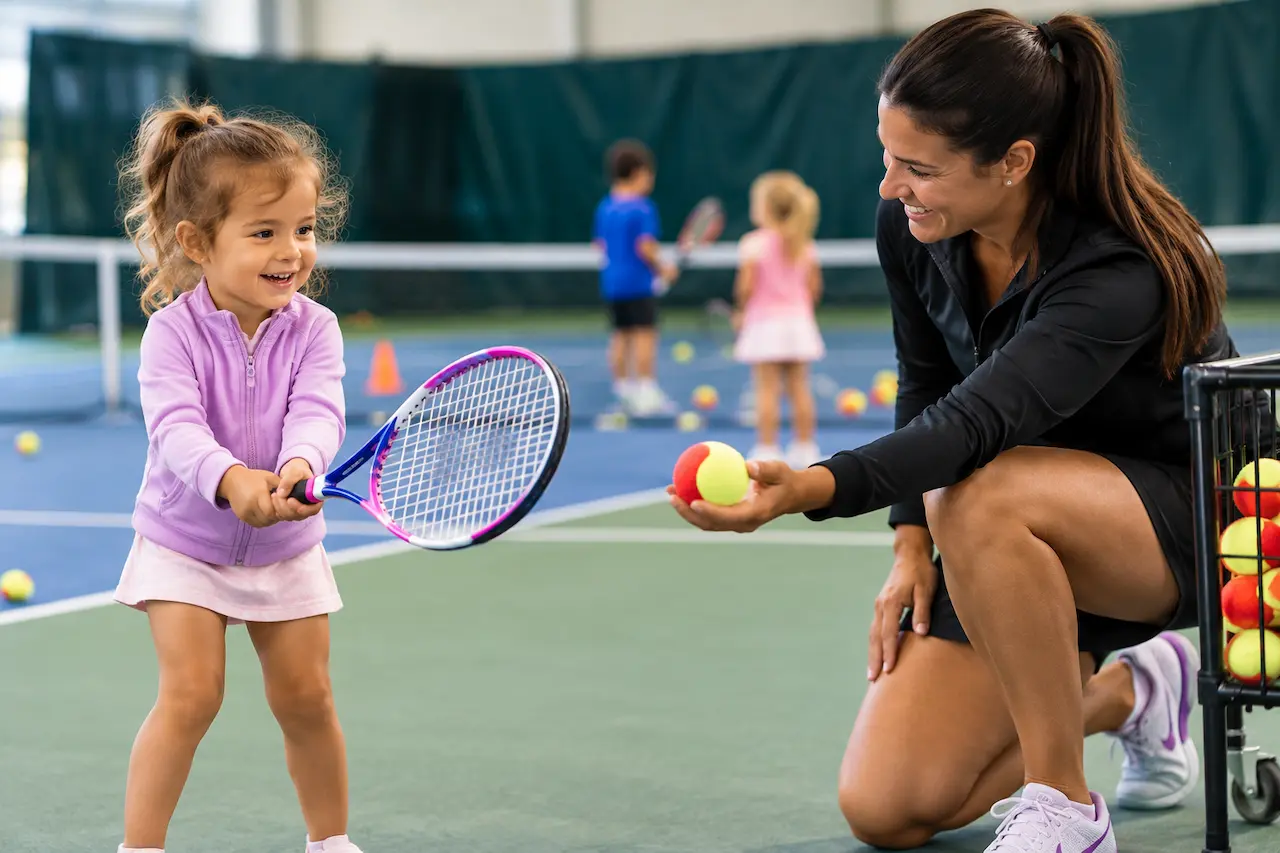

You want to learn pickleball, but choosing where to start can feel harder than expected. Should you join a class with other beginners or work with a coach on your own?
The right choice depends on what you need from your first few sessions. At Village Glen and South Towns Tennis & Pickleball, we help new players find a comfortable starting point and build from there.
The Short Answer
Choose a beginner class if you want to learn the basics, meet other players, and practice in a group. Choose a private lesson if you want individual attention, have a specific difficulty, or feel more comfortable learning before joining a group.
Neither option requires you to be good at pickleball already. That is what instruction is for.
Many beginners benefit from starting with a class and adding a private lesson when they identify a skill they want to improve. Others prefer one private lesson first, followed by a class where they can practice with different people. The order matters less than finding instruction that fits your current level.
The question to ask yourself is simple: What is stopping me from getting on the court? If you need a welcoming place to learn with others, start with a class. If you need focused help or confidence before group play, start with a private lesson.
What Happens in a Beginner Pickleball Class?
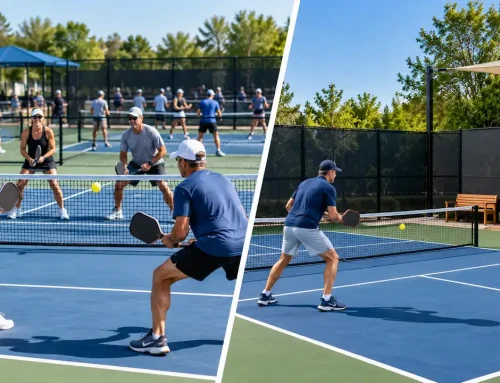
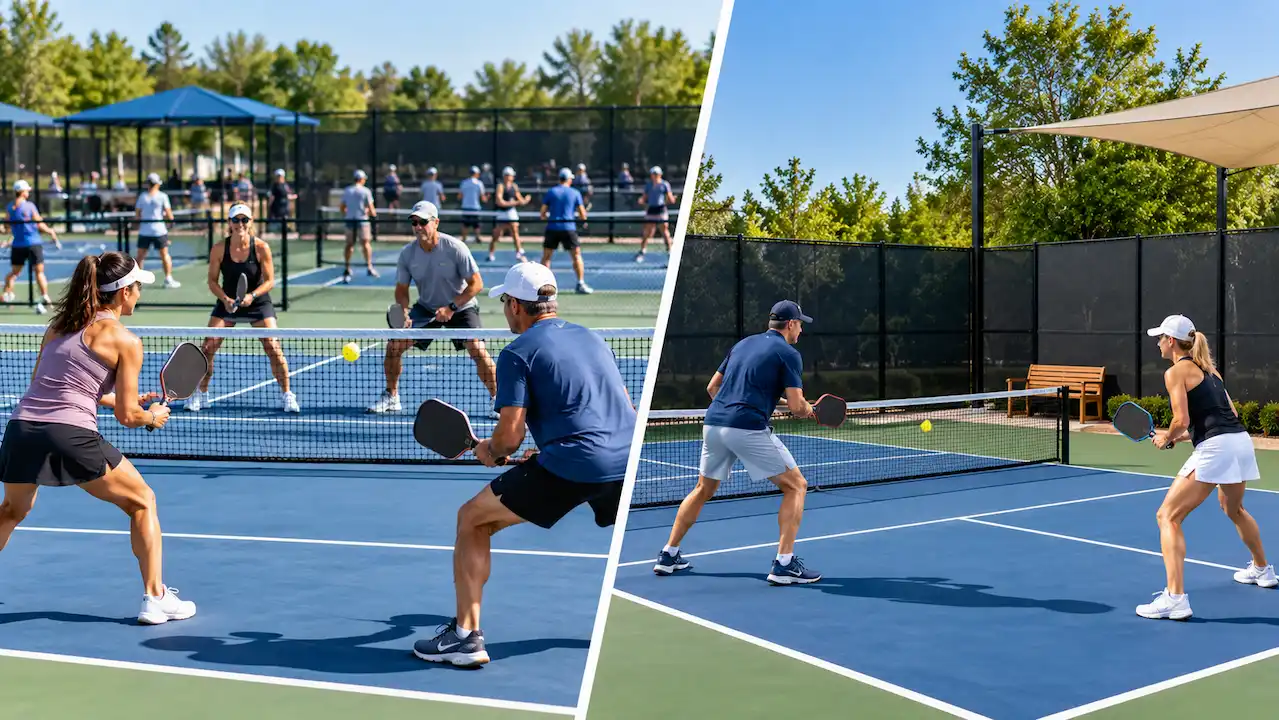
A beginner class gives you a structured introduction to the game alongside other players. You learn essential skills, practice them with a partner, and begin to understand how a point works.
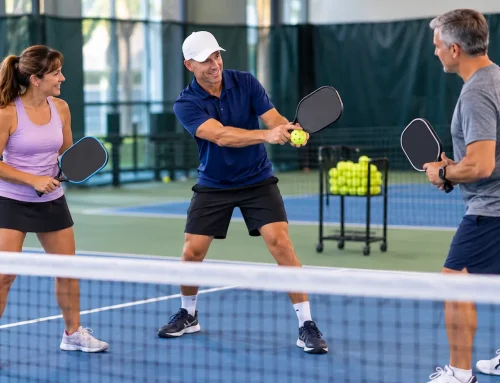
Instruction may cover where to stand, how to serve, how to return, and what to do as you move toward the net. A coach can explain the rules, demonstrate a movement, and give the group time to try it. You also get to see other beginners learning, which can make your own mistakes feel much less intimidating.
A class is especially useful because pickleball involves decisions as well as strokes. You must learn when to move, where to send the ball, and how to work with a partner. Practicing with several people exposes you to different shots and playing styles.
At Village Glen, our pickleball clinics include a beginner option for players through the 2.5 level. That gives new players a more suitable place to begin than entering a session intended for experienced players.
What a Class Does Well
A good class helps you turn an unfamiliar sport into a repeatable activity. You have a time to attend, skills to practice, and other people to play with.
It is also a chance to discover what you enjoy. Some players like the social side immediately. Others discover that they enjoy learning technique and tracking their progress. Both are good reasons to keep playing.
Group instruction cannot give every player a coach’s full attention throughout the session. If you have a persistent problem with your serve, movement, or timing, you may eventually need more individual feedback. That does not make the class a poor choice. It tells you what kind of help to seek next.
What Happens in a Private Pickleball Lesson?
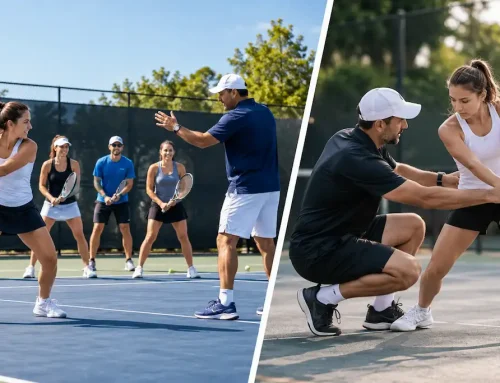
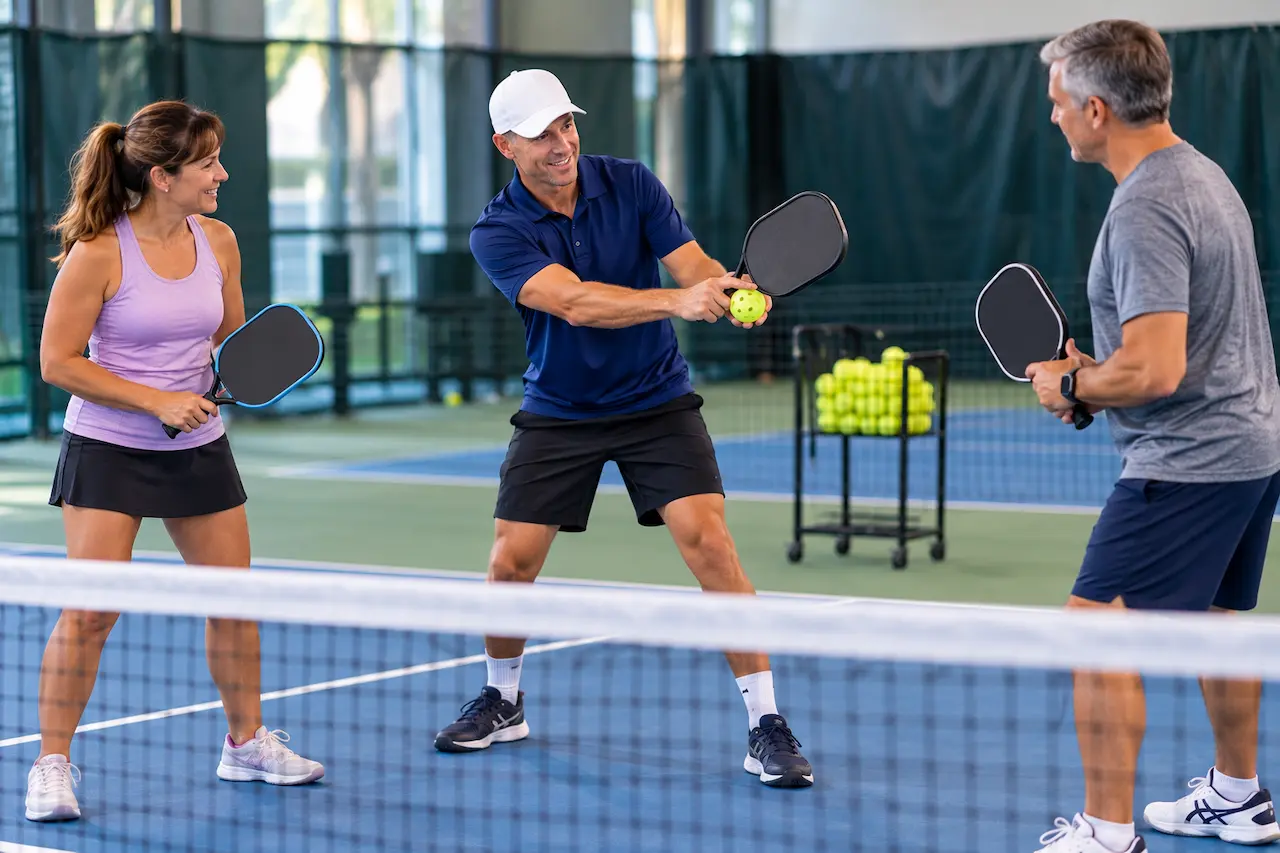
A private lesson centers on you. The coach can observe your current movement, ask about your goals, and spend the session on the skills that need attention.
For someone who has never played, that could mean learning how to hold the paddle, make contact with the ball, serve legally, and position themselves on the court. For a player with some experience, it might mean correcting a return that keeps going long or understanding why they struggle when opponents approach the net.
Individual instruction gives you time to ask questions and repeat a skill until you understand the adjustment. The coach can change the pace when something is too easy or too difficult. You do not have to keep up with a group.
Our pickleball private lessons offer a route for players who want that focused instruction. Before booking, tell us whether you are entirely new or have played a few times. That helps us point you toward the appropriate starting option.
What a Private Lesson Does Well
The greatest value of a private lesson is specific feedback. A beginner can spend weeks practicing a movement that does not work well. A coach who sees it directly can explain what to change and help the player feel the difference.
That does not mean one lesson will make you ready for every situation. You still need time playing with other people. A lesson gives you a foundation or helps solve a particular problem; practice helps you use what you learned when the ball comes back differently each time.
Pickleball Classes vs. Private Lessons: The Differences That Matter
The best format depends on how you learn and what you want to do next. Price and scheduling matter too, but they should not be the only factors.
Consider these questions before you book:
- Do you want to meet playing partners? A class gives you a natural way to meet other beginners.
- Do you want focused feedback? A private lesson gives the coach more time to observe you.
- Are you nervous about joining a group? Individual instruction may help you feel ready for one.
- Do you have one persistent difficulty? A private lesson can focus on that skill.
- Do you learn best by playing with different people? A class gives you more variety.
Notice that these are questions about your needs, rather than which format is “better.” Someone who wants a social introduction may gain more from a beginner class. Someone who already plays but cannot identify why a particular shot fails may gain more from individual coaching.
There is another consideration: your next step. If your goal is eventually to join open play, a class can introduce the pace and shared court decisions you will encounter there. If your goal is to feel comfortable enough to try a class, a private lesson can be a sensible first step.
Start With Your Actual Skill Level
Many new players worry about choosing the wrong level. Some have watched games but never held a paddle. Others have played casually with friends and know the rules but have never received instruction. Both may call themselves beginners, yet they need different starting points.
Be honest about what you have done, without judging it. You do not need to describe yourself as an intermediate player because you have won a few casual games. You also do not need to dismiss the skills you have already learned.
When you inquire about a program, explain whether you can serve consistently, keep a short rally going, understand the basic rules, and move into position during doubles. These details give a clearer picture than saying, “I’m pretty good,” or “I’m terrible.”
If you are unsure, tell the club. Choosing an appropriate session makes learning more useful for you and more comfortable for the other players. It also helps the coach set a pace that gives you a chance to succeed while still being challenged.
What If You Have Never Played Before?
You can begin with either format. A beginner class should teach basic rules and movements rather than assume that you already understand match play. A private lesson can take you through those same foundations at your own pace.
If you are comfortable trying something new in front of others, start with a beginner class. You will see that other people are learning too. That shared experience often removes the pressure beginners put on themselves.
If you feel overwhelmed by the rules or want to ask many questions, start with a private lesson. You can learn the layout of the court, practice a serve, and understand a few basic exchanges before entering a group.
You do not have to master every rule before your first session. You need an appropriate session and a willingness to learn. Our beginner pickleball tips can also help you become familiar with the game before you arrive.
What If You Have Played but Are Not Improving?
Playing more games does not always tell you what to change. You may notice that opponents return your serve easily or that rallies end when you reach the net, yet still have trouble identifying the cause.
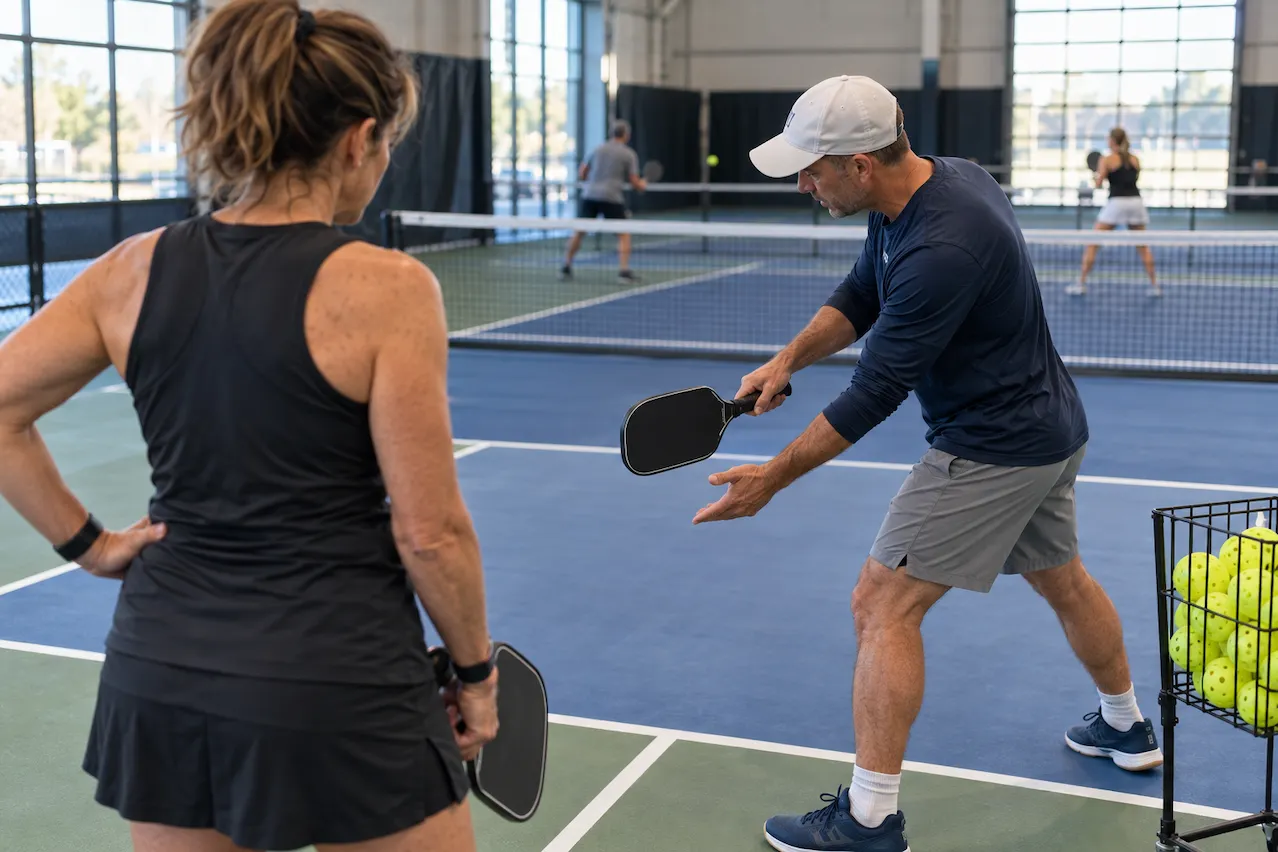
This is where a private lesson can be particularly useful. A coach can watch the movement behind the result. For example, a missed return may involve paddle position, preparation, foot placement, or a decision made before the ball reaches you. Practicing more returns without understanding the cause may repeat the same error.
A class can still help if it focuses on the skill you need and includes coached practice. The choice depends on whether you need broad instruction or a close look at one issue. Bring a clear question to your session: “Why does my return keep going high?” gives a coach more to work with than “I want to get better.”
You can then practice the correction outside your lesson. Our guide to pickleball drills for beginners provides ideas for making that practice more deliberate.
A Real World Example: Two Beginners, Two Starting Points
Imagine two adults who both want to begin playing. Neither has taken a lesson.
The first wants a regular activity and hopes to meet people to play with. They feel comfortable trying a new sport in a group. A beginner class fits that goal. They can learn the basics, practice with different partners, and begin to recognize familiar faces.
The second has tried pickleball once with friends. They enjoyed it but struggled to follow the rules and felt rushed whenever it was their turn to serve. A private lesson could give them space to ask questions and repeat those first skills without the pace of a group game.
After a few sessions, their paths may cross. The first player might book a private lesson to work on serve placement. The second might join a class to become more comfortable playing with others.
There is no contradiction. Each chose instruction for the problem they had at the time. That is a more useful decision than choosing a format because it sounds more serious or more popular.
How to Get More From Either Option
Instruction works best when you arrive with a modest, clear goal. “I want to learn everything” is too much for one session. “I want to understand where to stand when my partner serves” gives you something you can practice and recognize.
Tell the coach what you already know and what feels confusing. During the session, pay attention to one or two corrections you can remember afterward. You do not need to retain every piece of advice the first time you hear it.
Then play. Skills become useful when you try them with different partners and unpredictable shots. Expect some inconsistency. Being able to perform a movement during a demonstration and using it in a game are different steps in learning.
It can help to keep a brief note after each session. Write down what you practiced, one correction you understood, and one question to ask next time. This makes your next class or lesson more productive. It also gives you a fairer way to notice progress than judging yourself by the result of a single game.
How to Choose Your First Session
If you are deciding between pickleball classes vs. private lessons, use your immediate goal to make the choice. You do not need to plan your entire pickleball journey before your first booking.
Start with a class when you want a guided introduction and opportunities to practice with others. Start with a private lesson when you want the coach’s attention on your own questions, movement, or confidence. If both needs apply, choose the one that will make it easiest for you to show up and begin.
Check the stated skill level before registering. Ask how the session is structured and what you should bring. If you are comparing locations or are unsure which program suits you, describe your experience honestly when you reach out. A useful recommendation depends on knowing where you are starting.
Most of all, give yourself permission to be new. Early sessions are for learning where to stand, making contact, understanding the rules, and getting comfortable with the rhythm of the game. You can build more advanced skills once those foundations make sense.
Why Choose Us
At Village Glen and South Towns Tennis & Pickleball, we can help you find instruction that matches your experience and goals.
- Beginner friendly ways to start learning.
- Group clinics for coached practice with other players.
- Private instruction for focused individual feedback.
- Options to keep practicing as your confidence grows.
- Two club locations serving Western New York.
Frequently Asked Questions
Are pickleball classes suitable for complete beginners?
Yes, if the class is designated for beginners. Check the listed level before signing up, and tell the club if you have never played so you can choose an appropriate session.
Should I take a private lesson before joining a class?
You do not have to. A beginner class can be your first experience. A private lesson is useful first if you prefer individual guidance or want time to learn the basics at your own pace.
Will a private lesson help if I already play recreationally?
Yes. It can give you focused feedback on a skill or pattern that is difficult to diagnose during casual games. Tell the coach what you want to work on before the lesson.
Is a class enough to prepare me for open play?
A class can help you learn essential skills and practice with others. Read the level description for any open play session, and ask the club which session fits your current ability.
Can I take classes and private lessons together?
Yes. You can use a class for guided group practice and a private lesson for a particular question or skill. Choose a schedule that leaves you time to apply what you learn.
Conclusion
The best first step is the one that addresses your biggest obstacle to playing. Join a beginner class for structure and connection, or choose a private lesson for individual attention. If you are unsure which session fits, contact us and tell us about your experience and goals.