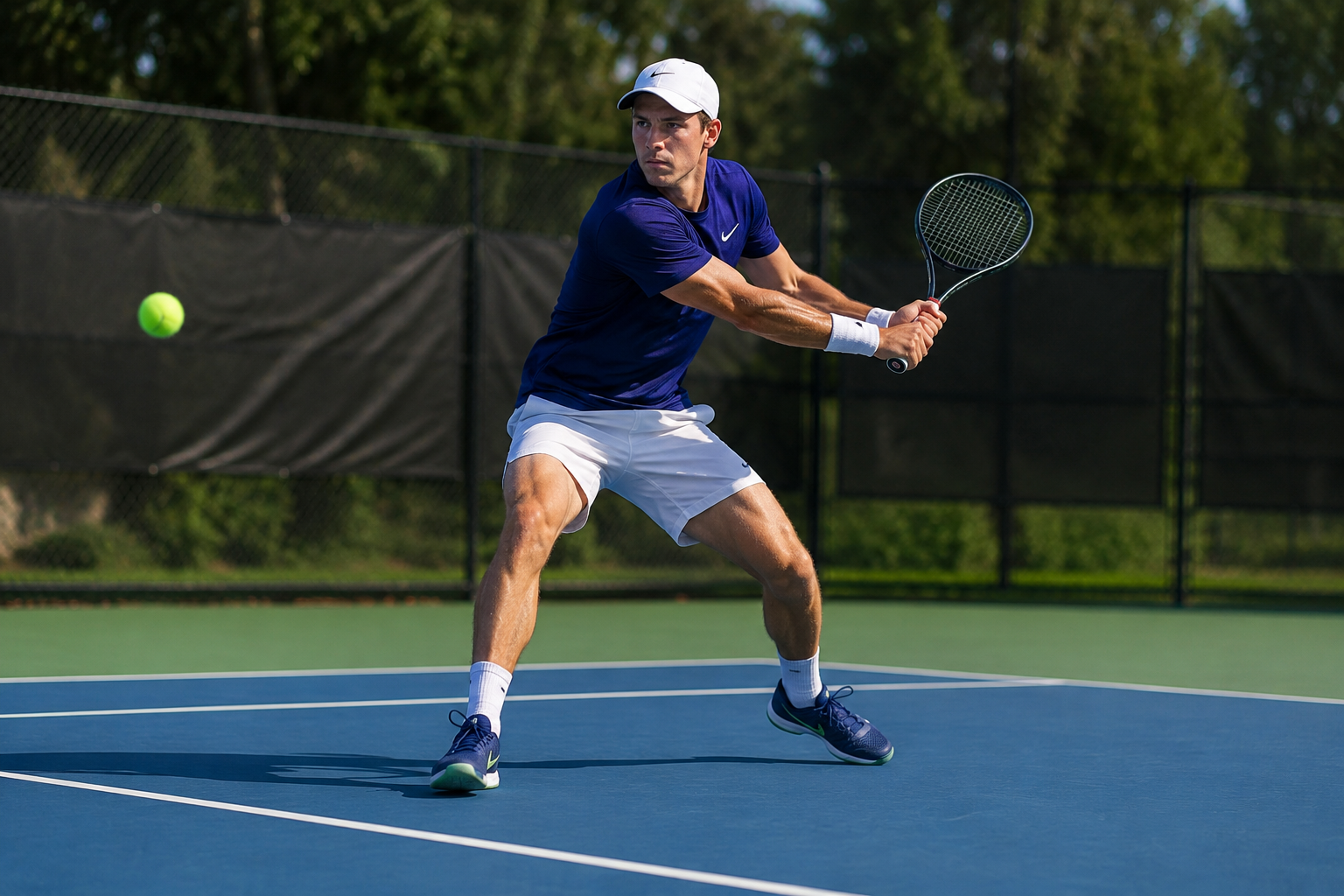
Tennis footwork is one of the strongest foundations of better tennis because every stroke depends on how well a player reaches, balances, and recovers for the next ball.
At WNY Tennis, we see that many players focus only on their swing, but real improvement often begins with smarter movement, better timing, and stronger court awareness.
Why Tennis Footwork Matters More Than Players Think
Good movement helps a player hit with balance instead of reaching late or swinging from an unstable position. When the feet arrive correctly, the body can stay organized, the racket path becomes cleaner, and the player gains more control over direction, depth, and pace.
I have seen firsthand that players who improve their movement often make progress faster than players who only practice stroke mechanics. A strong forehand or backhand becomes more reliable when the player reaches the ball early, sets up correctly, and recovers with purpose.
Footwork is not only about speed. It is about efficiency. A player who moves with short adjustment steps, uses a strong ready position, and reacts quickly can often cover the court better than a faster player who moves without control.
Start With a Strong Ready Position
The ready position is where every point begins. It prepares the body to move forward, backward, left, or right without delay. When a player stands too tall or keeps the feet flat, the first reaction becomes slow and the shot becomes rushed.
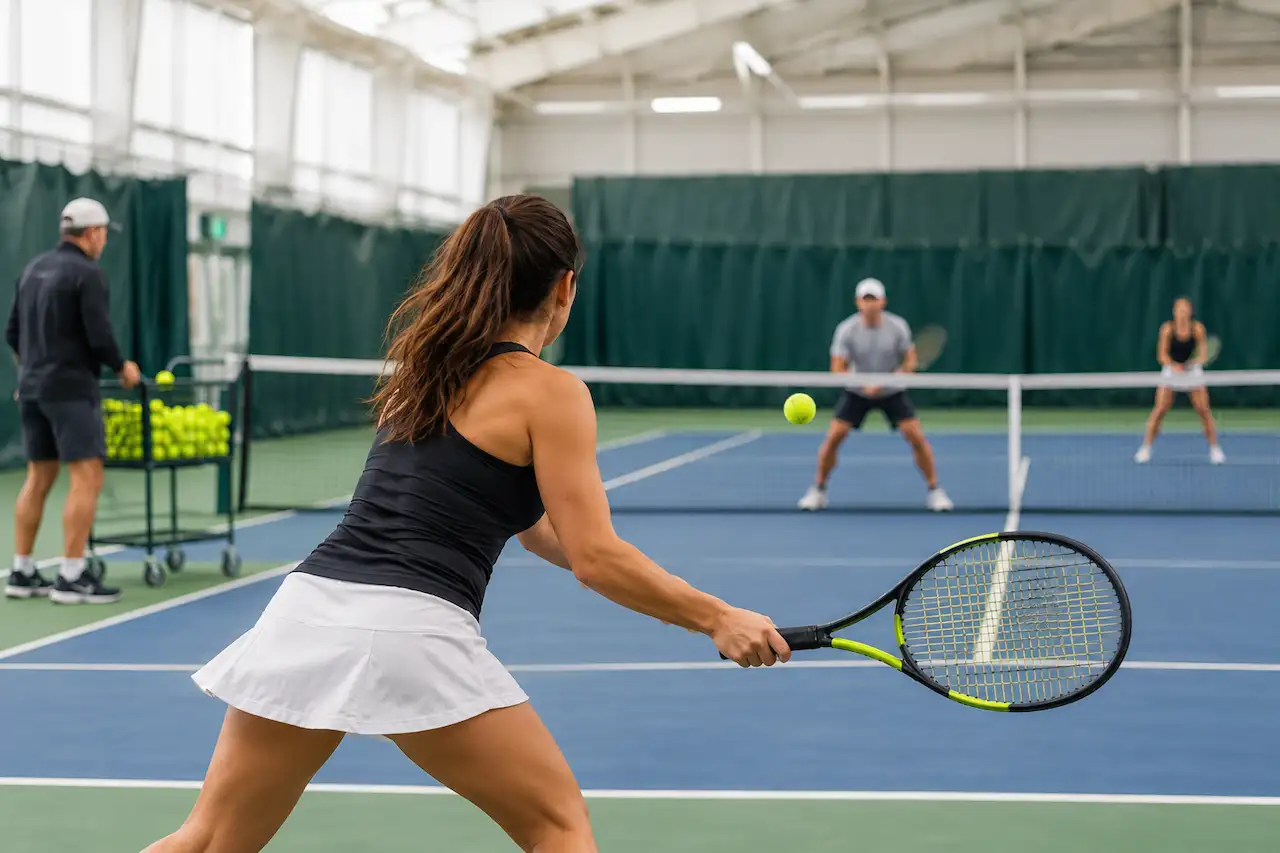
A strong ready position includes bent knees, relaxed shoulders, light feet, and a balanced upper body. The weight should stay slightly forward so the player can push off quickly in any direction.
I prioritize a strategy that teaches players to prepare before the ball crosses the net. Waiting until the ball bounces is too late. Better preparation gives the body more time to move, adjust, and strike with control.
Master the Split Step
The split step is a small hop that helps a player react as the opponent makes contact with the ball. It allows the body to land with both feet active and ready to push toward the next shot.
Many beginners either skip the split step or perform it after the ball is already moving. That delay creates late movement, poor spacing, and weak contact. The goal is to land just as the opponent hits, then move immediately toward the ball.
A proper split step improves first step reaction, balance, and court coverage. It can change how a player handles fast rallies, wide balls, and quick direction changes.
Use Small Adjustment Steps Before Contact
Reaching the ball is not enough. A player also needs to arrive at the right distance from the ball. Small adjustment steps help the body find the best hitting position before contact.
Large steps can help cover distance, but smaller steps are needed near the ball. These final steps allow the player to avoid crowding the shot, overreaching, or hitting while falling away from the target.
I always advise clients to watch how often they feel jammed or stretched during practice. Those moments usually show a spacing problem, not only a swing problem. Better foot placement gives the stroke more room to work naturally.
Common Footwork Mistakes That Hold Players Back
Players often lose points because of movement habits they do not notice. These mistakes make rallies harder, reduce consistency, and create unnecessary pressure.
- Standing flat footed after serving or returning
- Running to the ball without preparing the racket and body
- Taking large steps too close to contact
- Forgetting to recover after the shot
- Moving backward instead of adjusting around the ball
- Watching the shot instead of preparing for the next one
Correcting these mistakes does not require complicated training. It requires awareness, repetition, and a clear plan during lessons and practice sessions.
Build Better Court Movement Patterns
Tennis is not random movement. Most points require clear patterns such as moving wide, recovering to a smart position, stepping forward for short balls, or adjusting backward for deep shots.
A player should learn how to move diagonally, laterally, and forward with control. The best movement pattern depends on the ball height, speed, spin, and court position. When a player understands these patterns, movement becomes more purposeful.
After a wide shot, recovery should not always be to the exact center of the court. The correct recovery position depends on where the ball was hit and what reply is most likely. Professional instruction adds value because players learn how to move based on the next situation, not only the current shot.
Players looking for the right place to practice can also read our guide to choosing the best tennis court in Western New York.
Practice Drills That Improve Movement
Simple drills can build better movement when they are done with focus. The goal is not only to move faster. The goal is to move with better timing, balance, and recovery.
- Shadow swings with split step and recovery
- Cone drills for lateral movement and direction changes
- Short ball approach drills with controlled forward movement
- Baseline recovery drills after wide forehands and backhands
- Ladder style foot speed drills for quick adjustment steps
- Partner feeding drills that require spacing before contact
These drills help players connect their feet, body, and racket. Over time, movement becomes automatic and the player can focus more on shot selection and point construction.
Players who want guided practice can build stronger movement skills through our tennis clinics and match play programs.
Improve Balance During Every Shot
Balance is a major part of better footwork. When a player hits while leaning, falling, or twisting too early, the shot loses control. Good balance allows the player to transfer energy properly and recover faster after contact.
Players should keep the head steady, stay low through the shot, and avoid lifting too early. The body should feel controlled before, during, and after contact.
In our coaching approach, we focus on balance because it improves both power and consistency. A balanced player can handle pressure better, especially during long rallies or competitive match play.
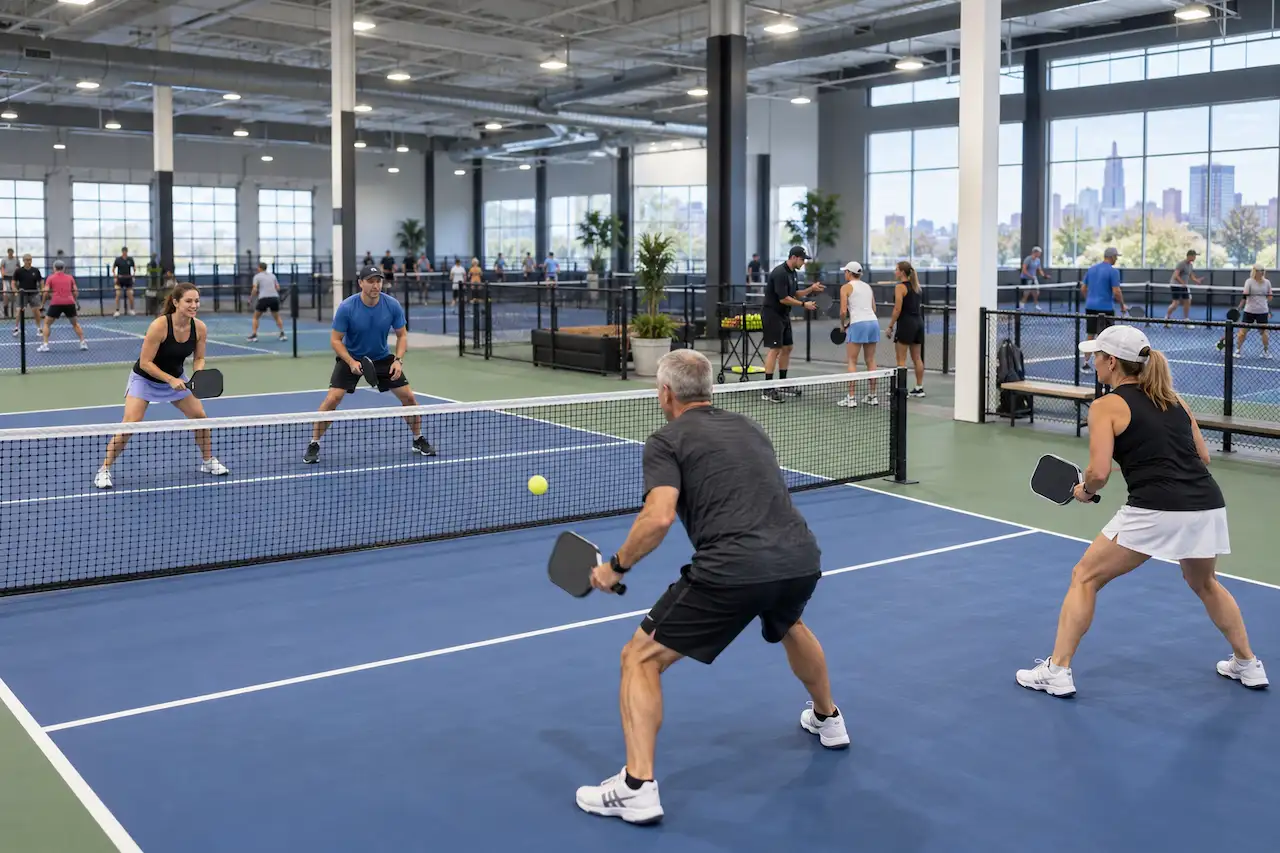
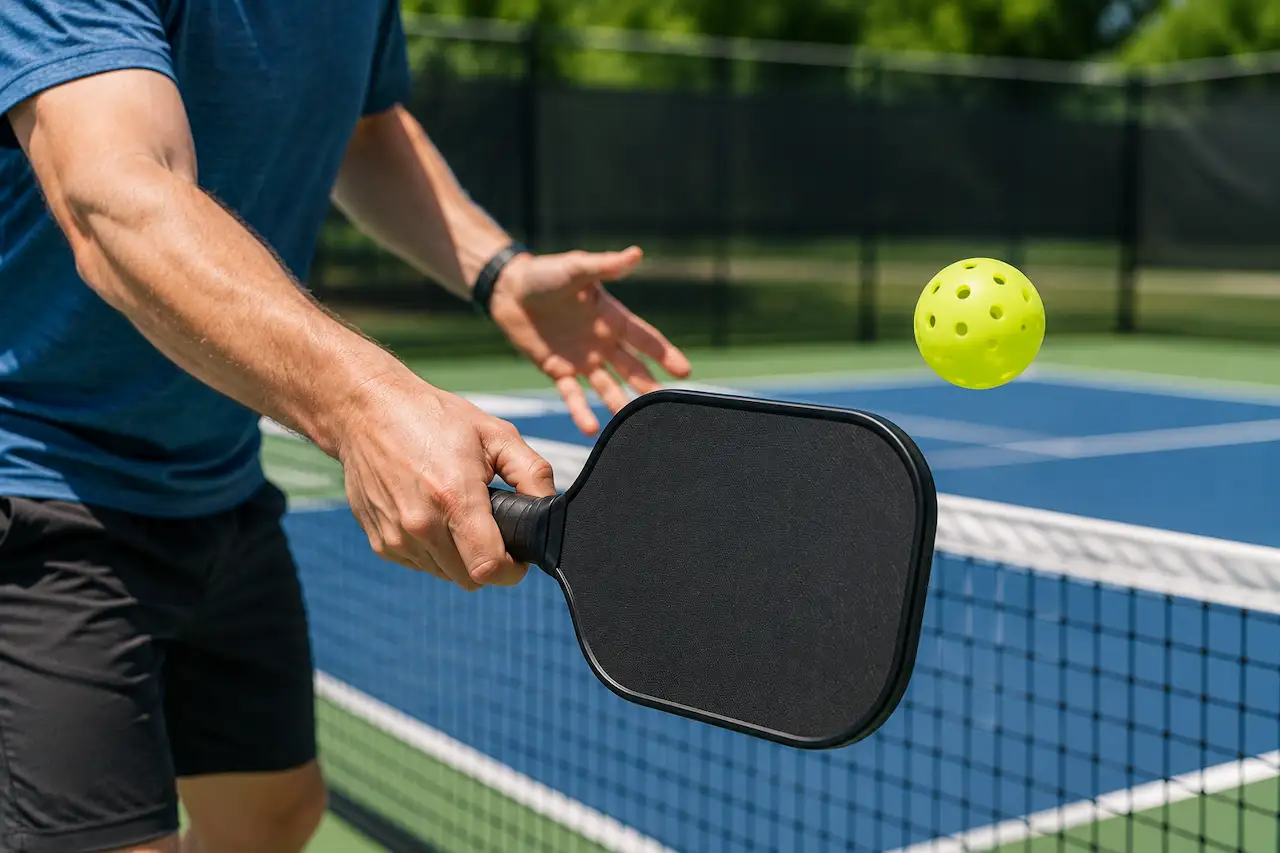
Players who also enjoy pickleball can improve their court confidence with our beginner friendly pickleball tips for movement and control.
Recover With Purpose After Each Shot
Recovery is the step many players forget. After hitting the ball, the point is not finished. The player must return to a smart court position and prepare for the next shot.
Recovery should be quick but controlled. If the recovery is too slow, the next ball becomes harder. If the recovery is rushed without balance, the player can move past the ideal position and lose control again.
Players should recover based on the shot they hit. A deep crosscourt ball, a short approach shot, and a defensive lob all require different recovery decisions. Strong recovery habits help players stay in points longer and make better choices under pressure.
Train Footwork for Real Match Situations
Footwork practice should connect to real tennis situations. Drills are useful, but players also need live ball training, point play, and match based movement patterns.
A player who moves well during a drill can still struggle in a match if they do not understand timing, spacing, and recovery under pressure. This is why we focus on practical movement that connects directly to actual points.
For players in Western New York, indoor and seasonal training can help maintain movement quality throughout the year. Consistent practice builds confidence, especially for players who want to improve lessons, league play, tournaments, or recreational matches.
Why Choose Us
We help players build smarter movement habits with coaching that focuses on skill, structure, and real match improvement.
- We teach movement in a simple, practical way that players can apply during real rallies
- We focus on balance, spacing, recovery, and court awareness, not only running speed
- We support junior and adult players at different experience levels
- We provide tennis and pickleball programs at Village Glen in Williamsville and South Towns in Orchard Park
- We help players understand what to fix first so practice time becomes more valuable
Conclusion
Better movement can change the way a player feels on the court. When the feet work with control, every stroke becomes easier to repeat. At WNY Tennis, we help players build stronger habits through clear coaching, practical drills, and match focused training. Strong movement is not only for advanced players. It is a skill every player can improve with the right guidance.
Players can contact our team to ask about lessons, clinics, court time, and the best program for their skill level.
FAQs
How can beginners improve their tennis footwork?
Beginners should focus on the ready position, split step timing, and small adjustment steps.
Simple movement drills help improve balance, positioning, and reaching the ball earlier.
How often should I practice footwork drills?
Footwork should be practiced multiple times per week, even in short 10–15 minute sessions.
Consistent repetition builds better movement habits than occasional long workouts.
What is the most important footwork skill in tennis?
The split step is one of the most critical skills for quick reaction and balance.
It helps players prepare efficiently before every shot from the opponent.
Can better footwork improve shot consistency?
Yes, improved movement allows better positioning and balance before hitting the ball.
This leads to cleaner timing, better control, and more consistent shots.
Do adult players need footwork training?
Yes, adults benefit significantly from footwork practice at all levels of play.
It improves court coverage, reduces rushed shots, and increases overall confidence.