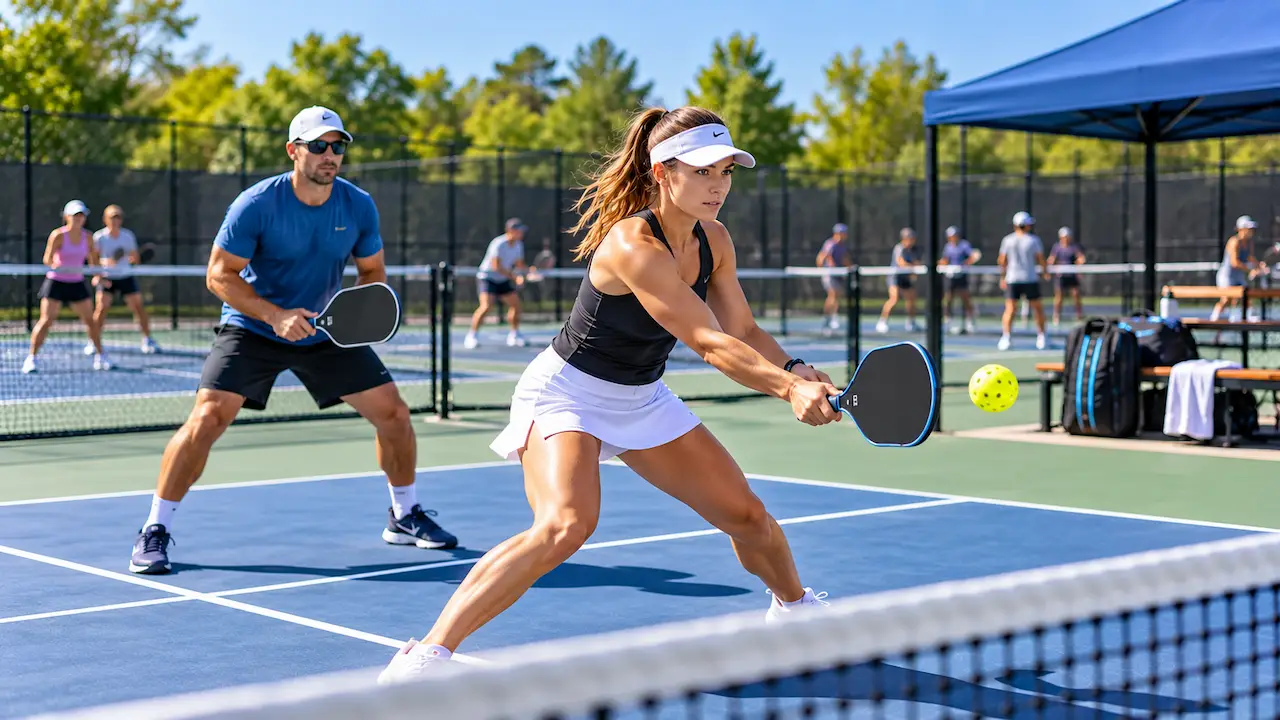
Your first pickleball tournament can feel different from a regular game with friends. You may face unfamiliar opponents, wait between matches, and make decisions while the score adds pressure. Preparation helps you become comfortable with those situations before the event begins.
Effective pickleball tournament training combines reliable shots, purposeful drills, practice games, and practical planning. You do not need to learn every advanced technique before entering. Start by understanding your division and building a game you can repeat under pressure.
Choose a Suitable Tournament and Division
Before planning practice, read the event information carefully. Check the available skill divisions, age requirements, singles or doubles options, and how the organizer determines eligibility. An informal rating from recreational play may not match the event’s entry requirements.
Find out how matches will run. Events can use different formats, scoring arrangements, and advancement systems. Check the organizer’s published instructions so you can practice in a similar way rather than assume every tournament follows the same setup.
Players exploring local competition can review WNY Tennis’s tournaments and events and check the details for each listed event. Confirm registration deadlines and eligibility directly with the organizer.
Identify What Breaks Down During Games
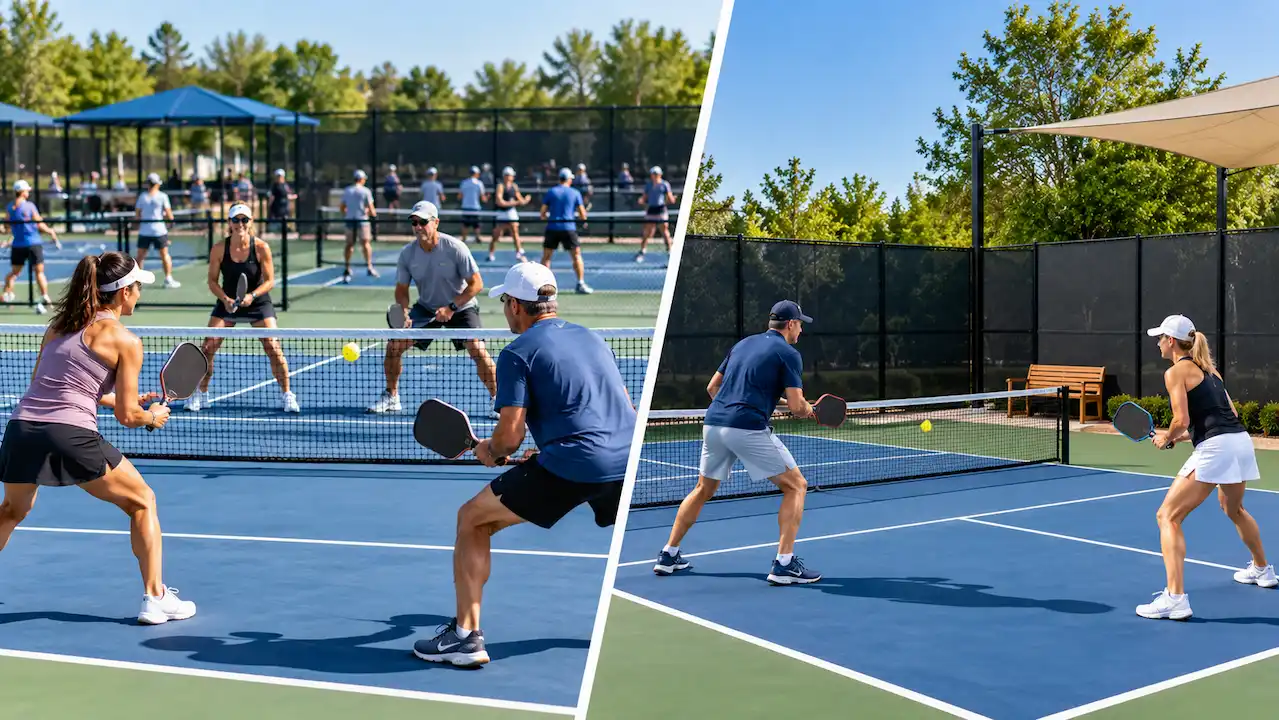
A useful starting point is a practice match against players near your expected division. Notice how points end instead of judging your readiness only by the final score.
Are you missing serves? Leaving returns short? Attacking balls from an uncomfortable position? In doubles, are both players moving toward the same ball while leaving another area open?
Choose one or two recurring problems for your next practice session. This gives training a clear purpose and makes progress easier to recognize. Trying to fix every part of your game at once can make practice less focused.
Build a Reliable Serve and Return
A dependable serve puts the point into play without giving away an easy error. Work on a repeatable action and a comfortable target before adding pace or aiming close to the lines.
Practice returns with the same attention. Give yourself enough margin to keep the ball in play, then prepare for the next shot. A return is useful when it helps you begin the rally in control, rather than forcing a rushed recovery.
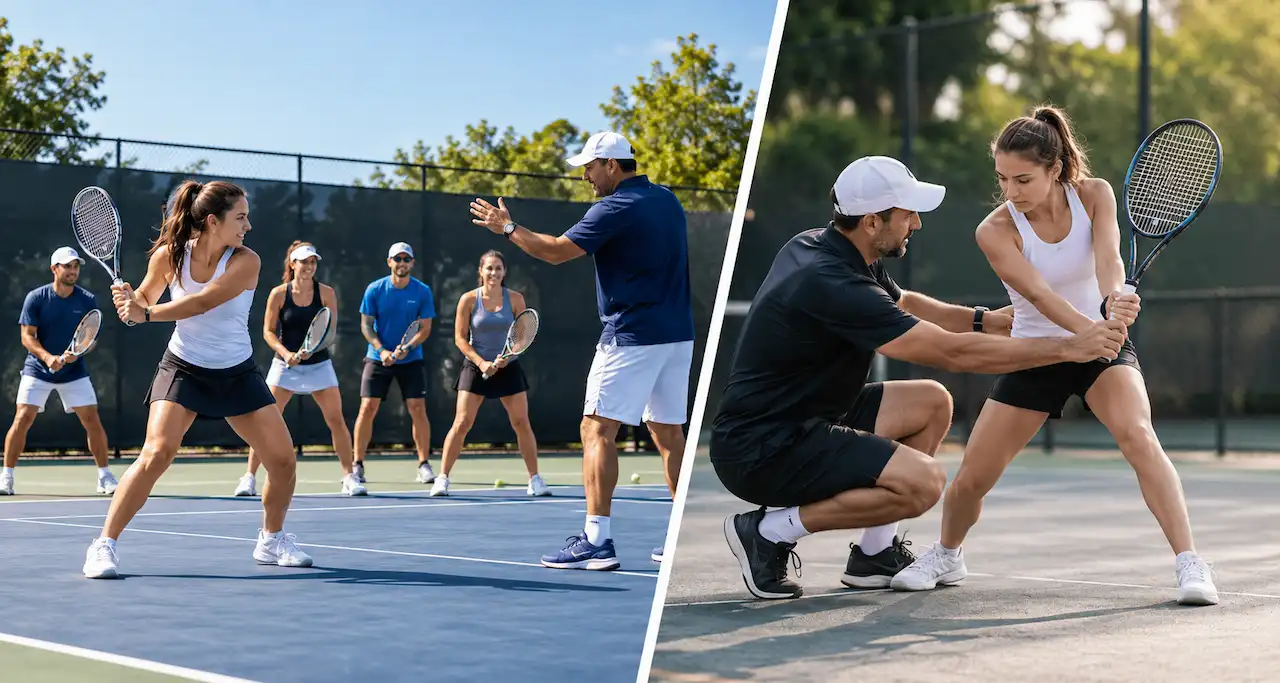
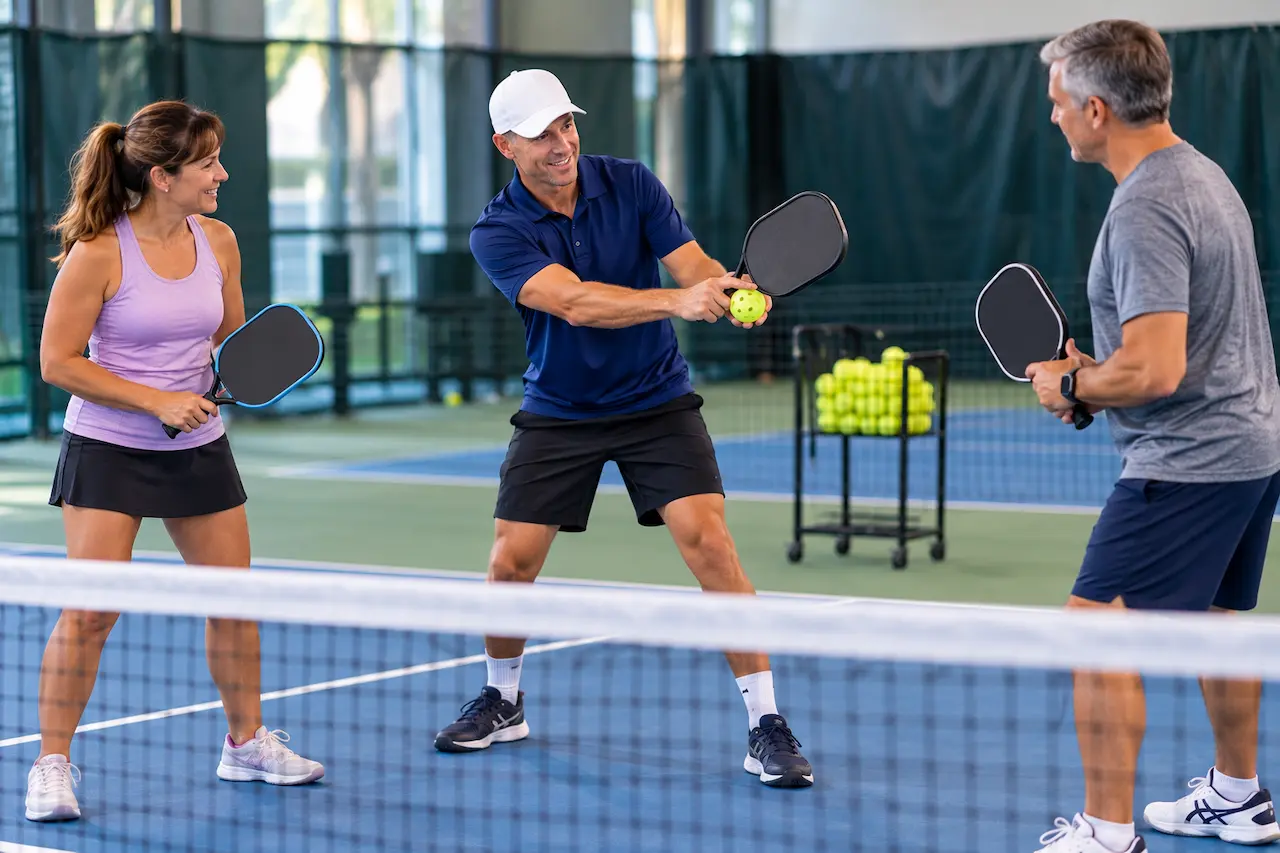
If a technical problem keeps returning, private pickleball lessons can give you focused feedback. Tell the coach which shots break down during games so the session addresses a specific need.
Use Drills With a Clear Goal
Drills become more useful when you know what you are measuring. A simple target might be making more controlled returns, keeping a dink exchange going, or choosing a manageable third shot.
Start with predictable feeds, then add movement and uncertainty. This lets you learn the action before testing it in something closer to a match.
Serve and Return Targets
Choose a generous target area in the service court and serve a set of balls using your normal routine. Record how many land in the intended area. Repeat with a returner so you also practice preparing for the rally.
Then switch roles. Focus on a controlled return and recovery rather than trying to win the point immediately. Track your results across sessions to see whether accuracy improves.
Dinking With Movement
Begin with cooperative dinks across the net. Once you can sustain the exchange, vary the placement slightly so your partner must adjust their position.
Keep the pace manageable and concentrate on balance. If the rally breaks down repeatedly, reduce the difficulty before increasing it again. The aim is to maintain control while moving, not simply to complete the drill faster.
Third Shot Decisions
Have one player serve and another return, then play the next shot with a clear intention. Practice both a controlled drive and a softer drop rather than treating one option as correct for every ball.
Notice the quality of the return and your position before choosing. If you are stretched or late, prioritize a shot you can control. Afterward, discuss whether your choice helped you prepare for the next exchange.
Practice Games Under Score Pressure
Play short games that begin with a close score. Use the scoring system you expect at the tournament and follow the same serving routine each time.
Pay attention to decisions when you feel pressure. Do you rush, change your swing, or attempt shots you rarely practice? Use those observations to choose your next drill.
Players who prefer a group setting can explore pickleball clinics and ask which current session suits their ability and training goals.
Prepare With Your Doubles Partner
If you are entering doubles, practice together before the event whenever possible. Familiarity with your partner’s movement and communication can help prevent avoidable confusion.

Agree on simple calls for balls through the middle, short shots, and situations where one player needs help. Discuss who covers open space when a partner moves wide. Practice these situations rather than relying on a conversation alone.
After each game, choose one adjustment together. Keep feedback specific and useful, such as leaving more room between you or making a clearer call. A short, calm discussion is easier to apply than several instructions during a rally.
Create a Manageable Practice Plan
There is no fixed number of weeks that makes every beginner tournament ready. Your starting ability, available time, partner, and chosen division all affect how much preparation you need.
A manageable week might include a focused drill session, a practice match, and time to review what happened. If you have less time, combine a short drill block with scored play instead of turning every session into unstructured games.
Local players can use suitable open play sessions to gain experience against different opponents. Check the session level first and arrange separate practice if you need uninterrupted time for drills.
Practice Recovering After Mistakes
Nervousness is common when the setting is unfamiliar. A simple routine can help you return your attention to the next point.
After an error, pause, take a comfortable breath, and choose one useful cue. That might be “more margin” or “prepare early.” Avoid changing several technical details in the middle of a game.
Set goals you can control. Clear communication, a consistent serving routine, and sensible shot choices remain useful even when an opponent wins the rally.
Prepare for the Whole Tournament Day
Tournament preparation includes handling waiting periods, repeated warmups, and several matches. Build your activity gradually during practice and allow recovery between demanding sessions.
In the days before the event, avoid making major equipment changes or suddenly adding much harder training. Use familiar routines so you arrive comfortable with your preparation.
Check the venue instructions and pack essentials such as:
- Your paddle and any permitted spare equipment
- Suitable court shoes and spare clothing
- Water and familiar food for breaks
- Registration details and required identification
- Weather protection if the event is outdoors
Confirm check-in time, parking, and warmup arrangements before leaving. Bring questions about scoring or equipment requirements to the organizer before your match begins.
Why Choose WNY Tennis?
WNY Tennis offers pickleball playing and learning options through Village Glen in Williamsville and South Towns in Orchard Park. Ask which current sessions suit your experience and the skills you want to develop.
- Private instruction offers time to work on specific concerns.
- Clinics provide opportunities to learn in a group.
- Open play introduces different playing styles and opponents.
- Two club locations give Western New York players options to explore.
Put Your Preparation Into Practice
Good pickleball tournament training gives each session a purpose. Build reliable shots, rehearse scored games, and prepare with your partner so the event feels more familiar.
Contact our team with your playing level, preferred location, and tournament goals. Ask about suitable lessons, clinics, or practice opportunities.
Frequently Asked Questions
What should I practice before my first tournament?
Start with dependable serves, controlled returns, positioning, and scored practice games. Choose additional drills based on the mistakes that occur most often during your matches.
How long should I train before entering?
There is no universal preparation period. Choose an appropriate division, assess your current skills, and allow enough practice to become comfortable with scoring and match situations.
Can a beginner enter a pickleball tournament?
Some events offer beginner divisions. Check the organizer’s eligibility requirements and format before registering, rather than assuming every tournament accepts players with no experience.
How should doubles partners prepare together?
Practice serving, returning, court coverage, and communication during scored games. Agree on simple calls and review one useful adjustment after each match.
What should I do after my first event?
Write down what worked and which situations caused difficulty. Use those observations to plan your next sessions instead of measuring the experience only by wins and losses.